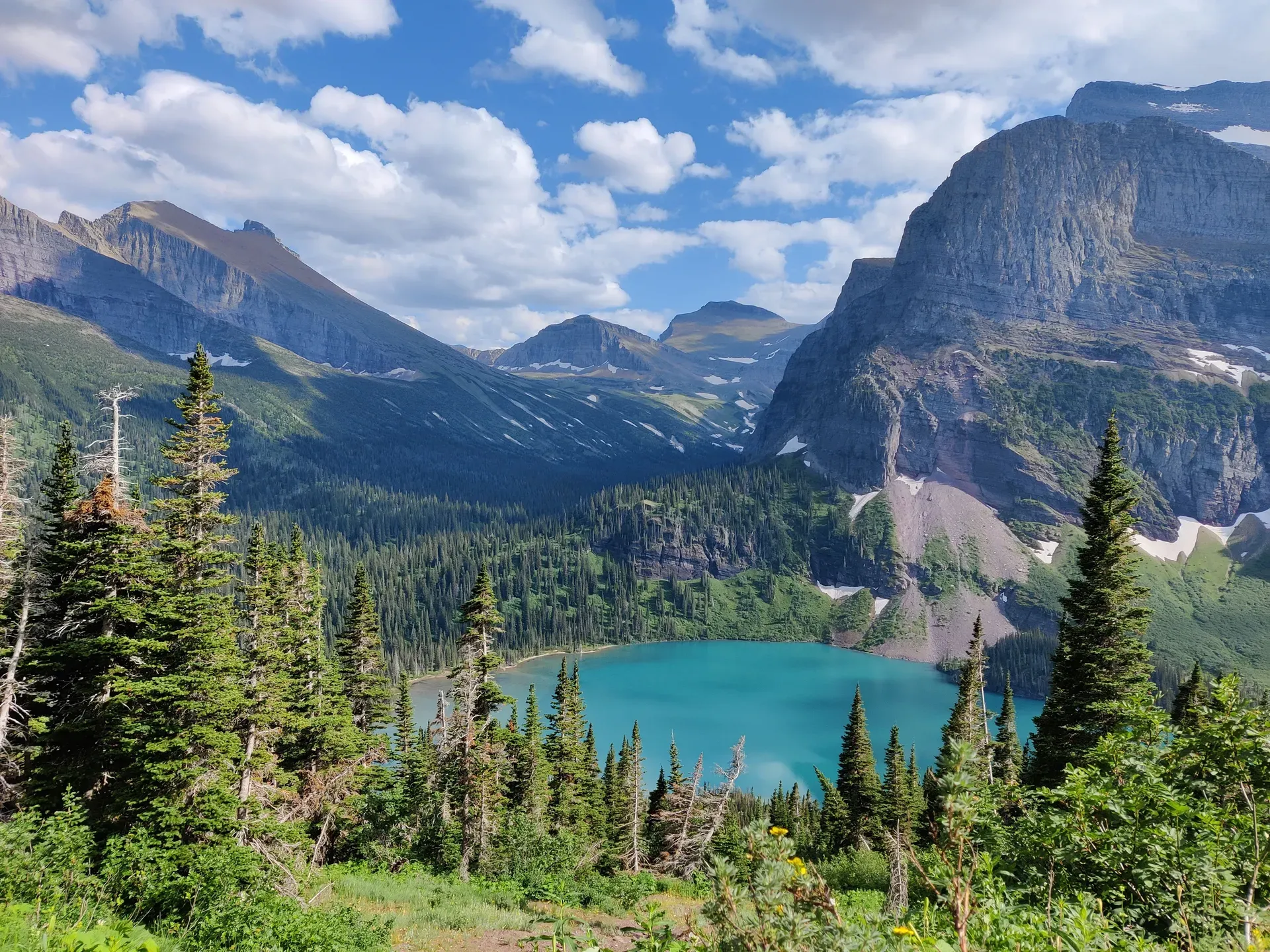
Spanning over a million acres in the Montana Rockies, Glacier National Park harbors 26 shrinking glaciers, 700 lakes, and one of North America's most intact temperate ecosystems. Visitors drive the 50-mile Going-to-the-Sun Road over 6,646-foot Logan Pass to spot grizzly bears in subalpine meadows and kayak the 464-foot depths of Lake McDonald.
Find Guided ToursGlacier National Park covers 1,012,837 acres in northwestern Montana's Rocky Mountains, extending to the U.S.-Canada border. The terrain straddles the Continental Divide across the Lewis and Livingston mountain ranges. Ice age glaciers carved its U-shaped valleys and peaks, leaving behind 762 lakes, 563 streams, and 175 named mountains. Mount Cleveland reaches the park's highest elevation at 10,448 feet, while Lake McDonald spans 9.4 miles and drops 464 feet deep.
Blackfeet, Salish, and Kootenai peoples lived in the region for thousands of years. Naturalist George Bird Grinnell began exploring the area in 1885, and his campaigning led to its designation as a Forest Preserve in 1900. On May 11, 1910, President William Howard Taft signed legislation making Glacier the 10th national park in the United States.
In 1932, crews completed the Going-to-the-Sun Road, a 50-mile route carved into cliff faces that climbs over 6,646-foot Logan Pass. That same year, Glacier and Canada's adjacent Waterton Lakes National Park united to form the world's first International Peace Park. The combined territory received UNESCO Biosphere Reserve status in 1976 and World Heritage Site designation in 1995.
The park maintains one of North America's most intact temperate ecosystems, supporting 71 mammal species, including grizzly bears, wolves, and mountain goats. While ice age remnants shaped the terrain, the ice itself is disappearing. Glacier holds 26 named glaciers today, and all of them are shrinking due to climate change.
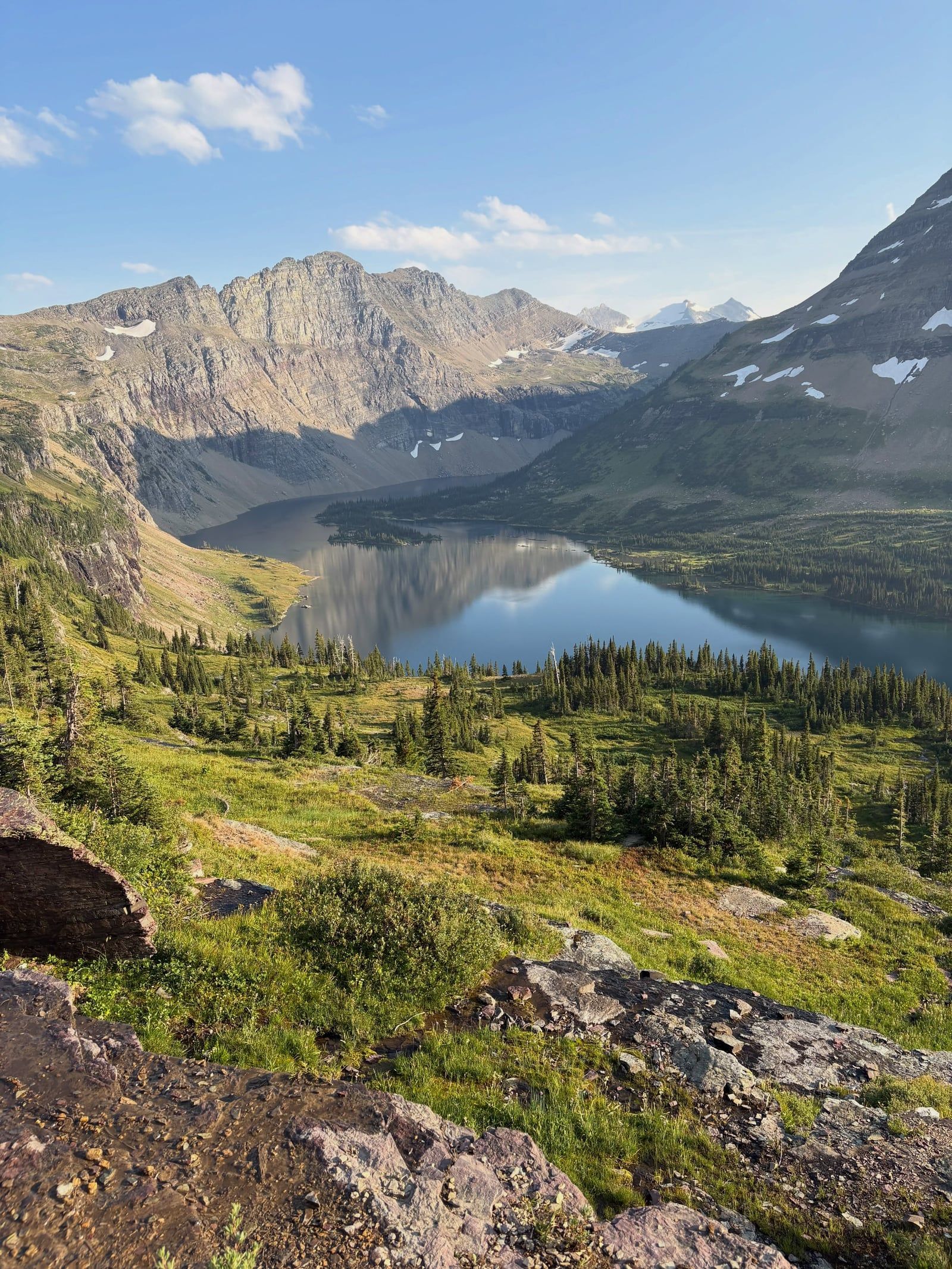
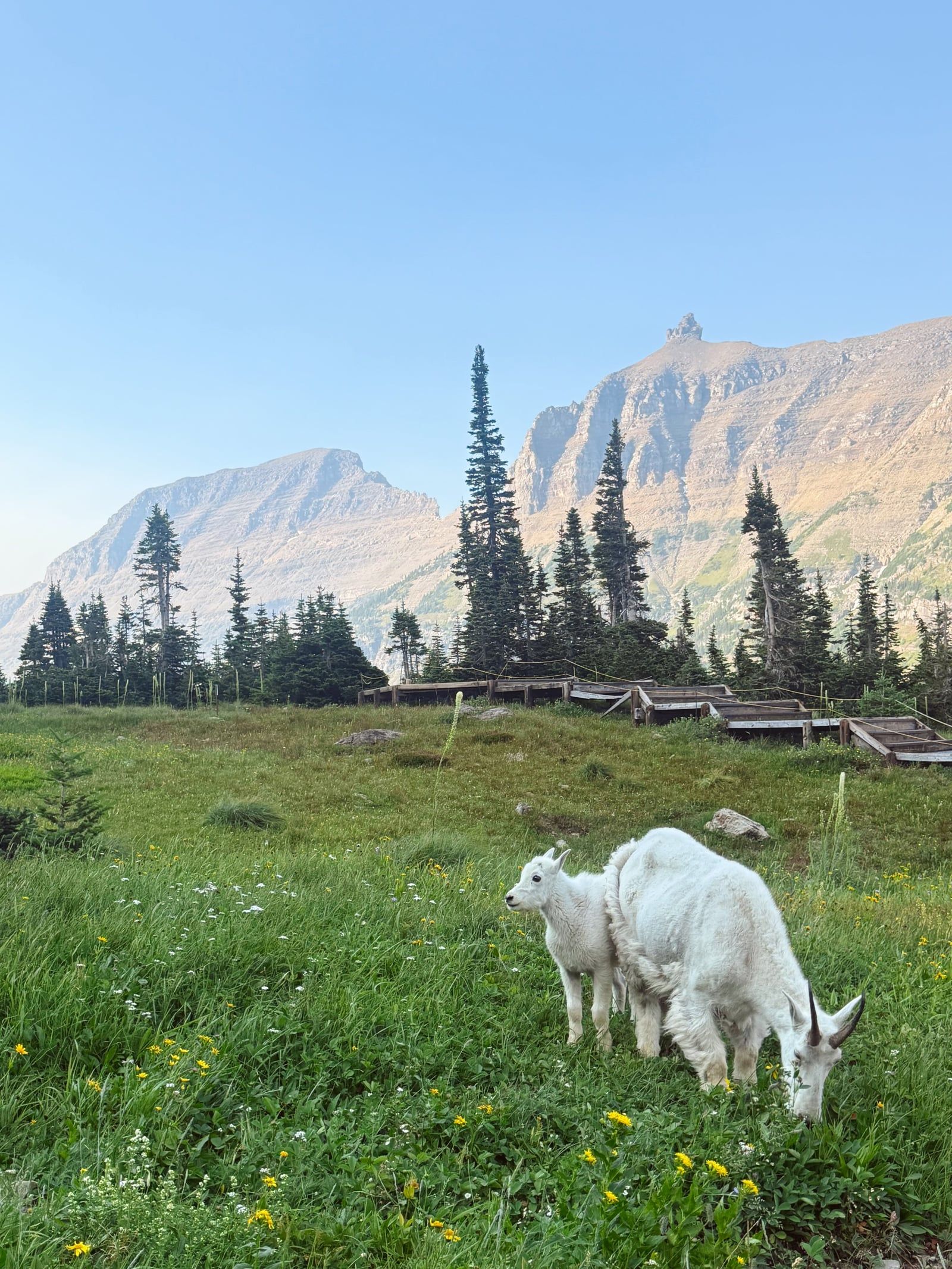
Discover the full history and cultural significance on our About page.
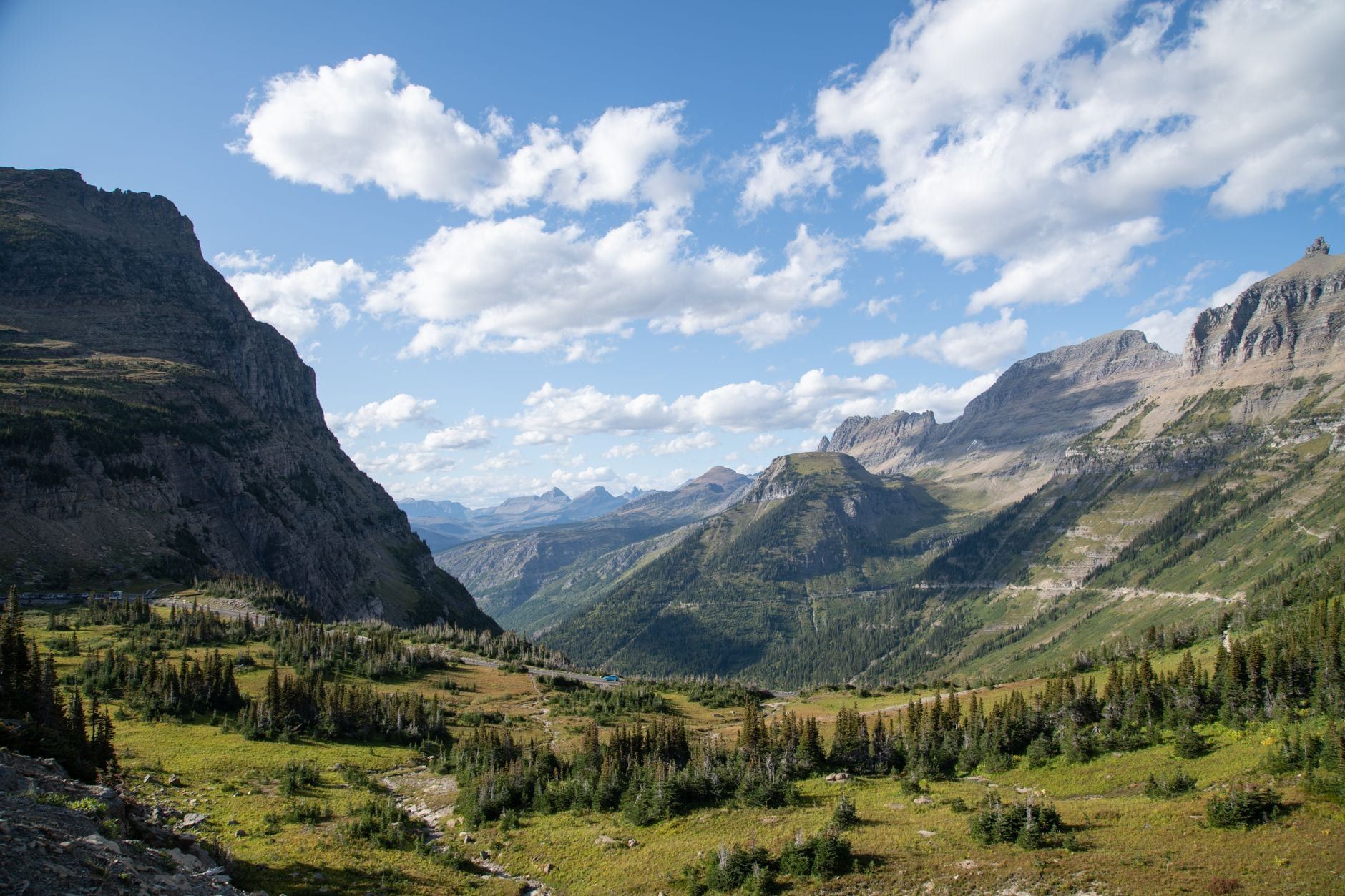
This 50-mile engineering landmark climbs cliff faces to the 6,646-foot Logan Pass. Pull off at the Weeping Wall or Jackson Glacier Overlook to see remnants of the ice age. The alpine sections open in late June, requiring strict adherence to the 21-foot vehicle length limit on hairpin turns.
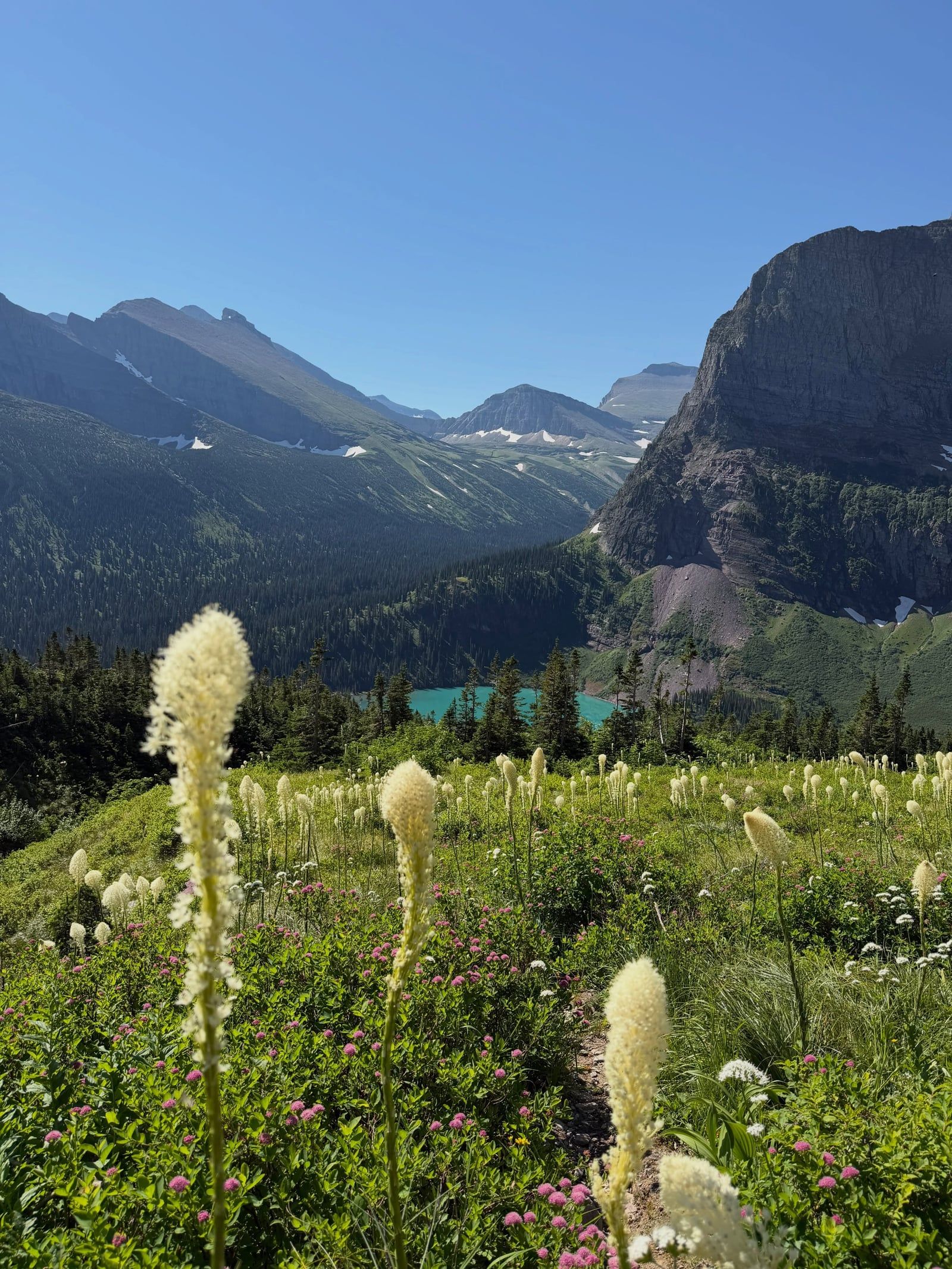
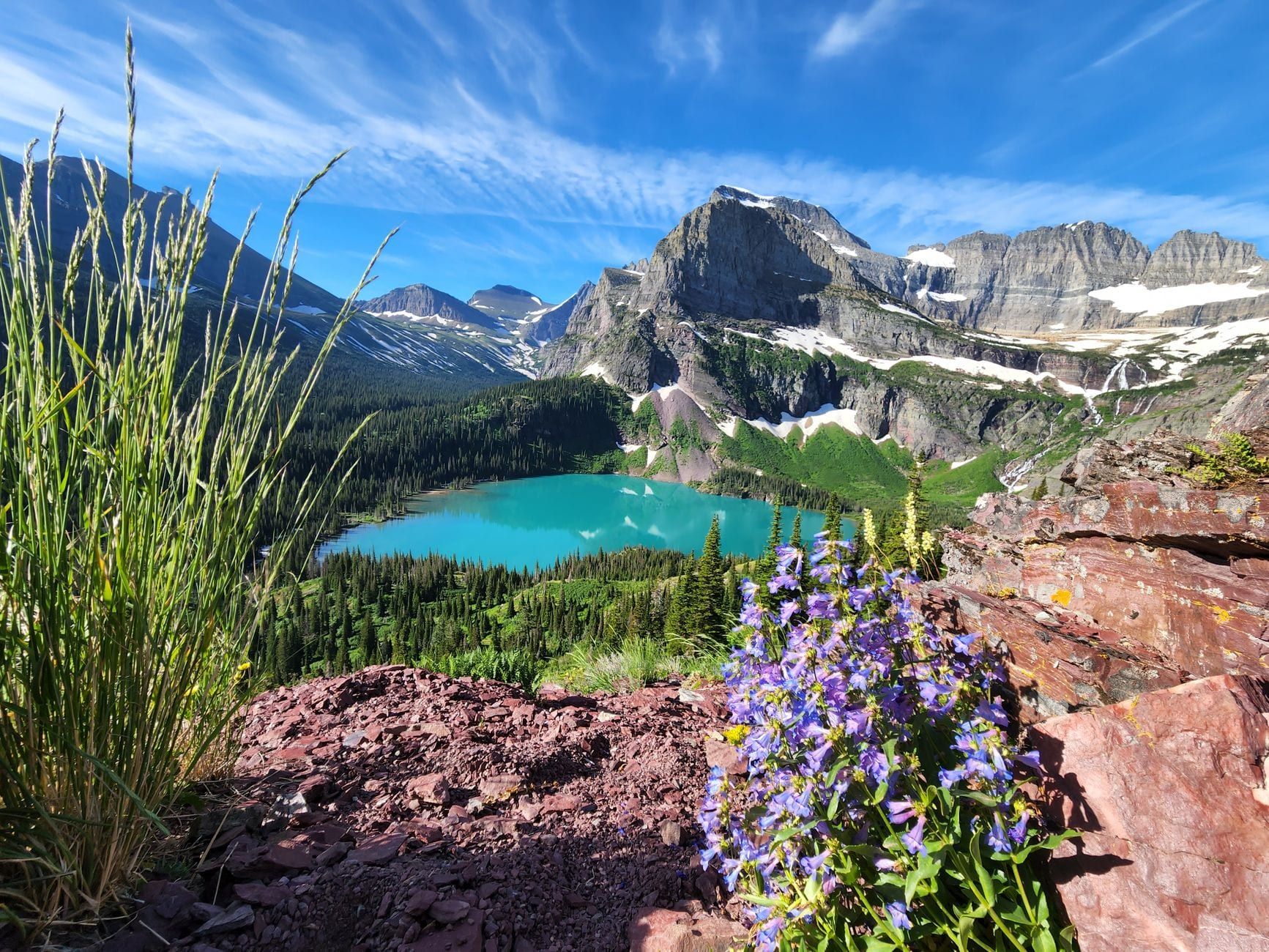
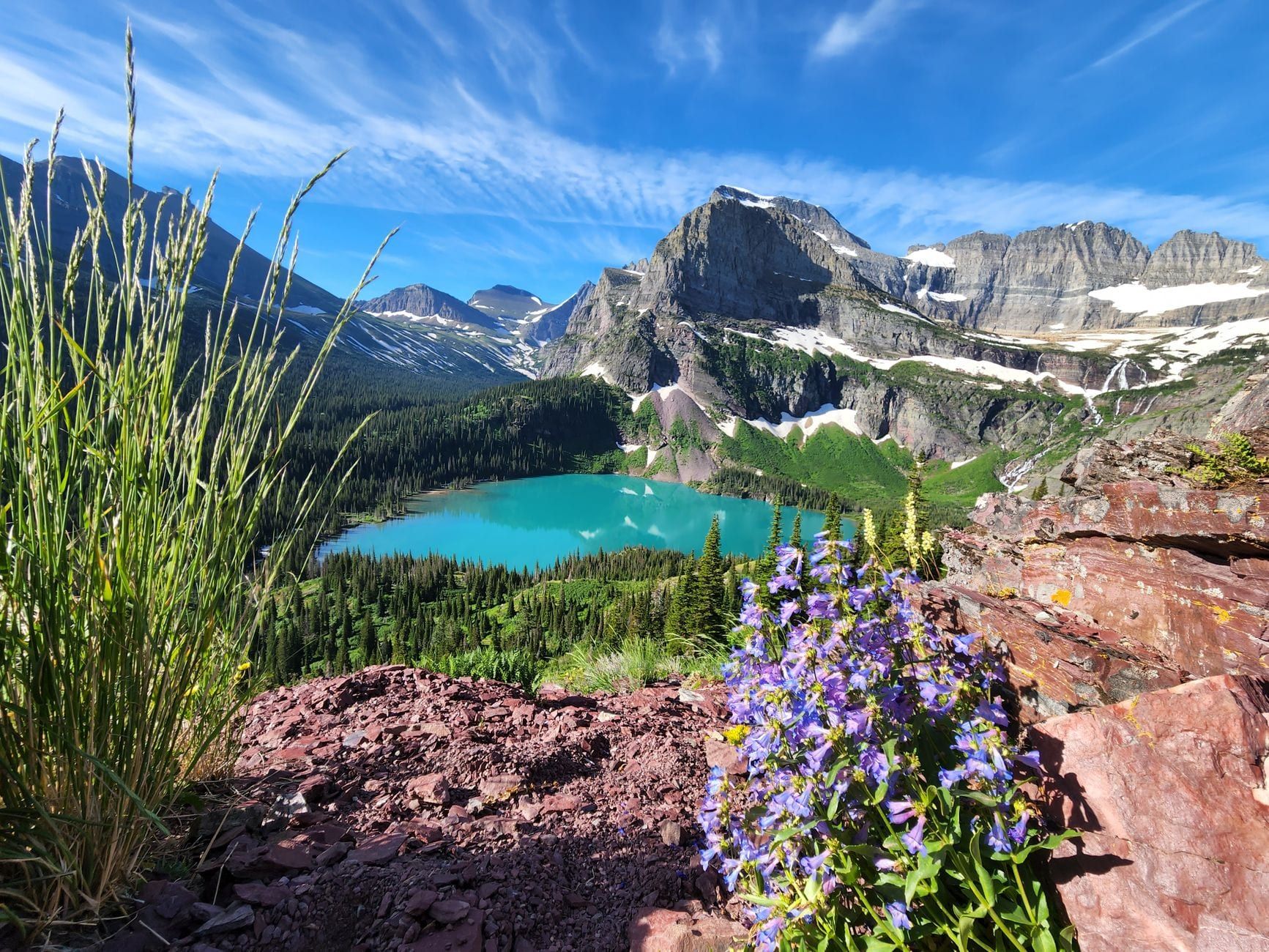
Moose and grizzly bears frequent the trails surrounding Swiftcurrent Lake on the park's east side. Hikers leave from the 1915 Many Glacier Hotel toward Grinnell Glacier or Iceberg Lake. Carry EPA-approved bear spray and maintain the mandatory 100-yard distance from bears and wolves.
Multicolored, rounded stones line the floor of the park's largest lake, visible through clear glacial water at Apgar. The lake stretches 9.4 miles and drops 464 feet deep. Visitors kayak the shoreline or ride the historic wooden tour boat, the DeSmet, beneath the western peaks.
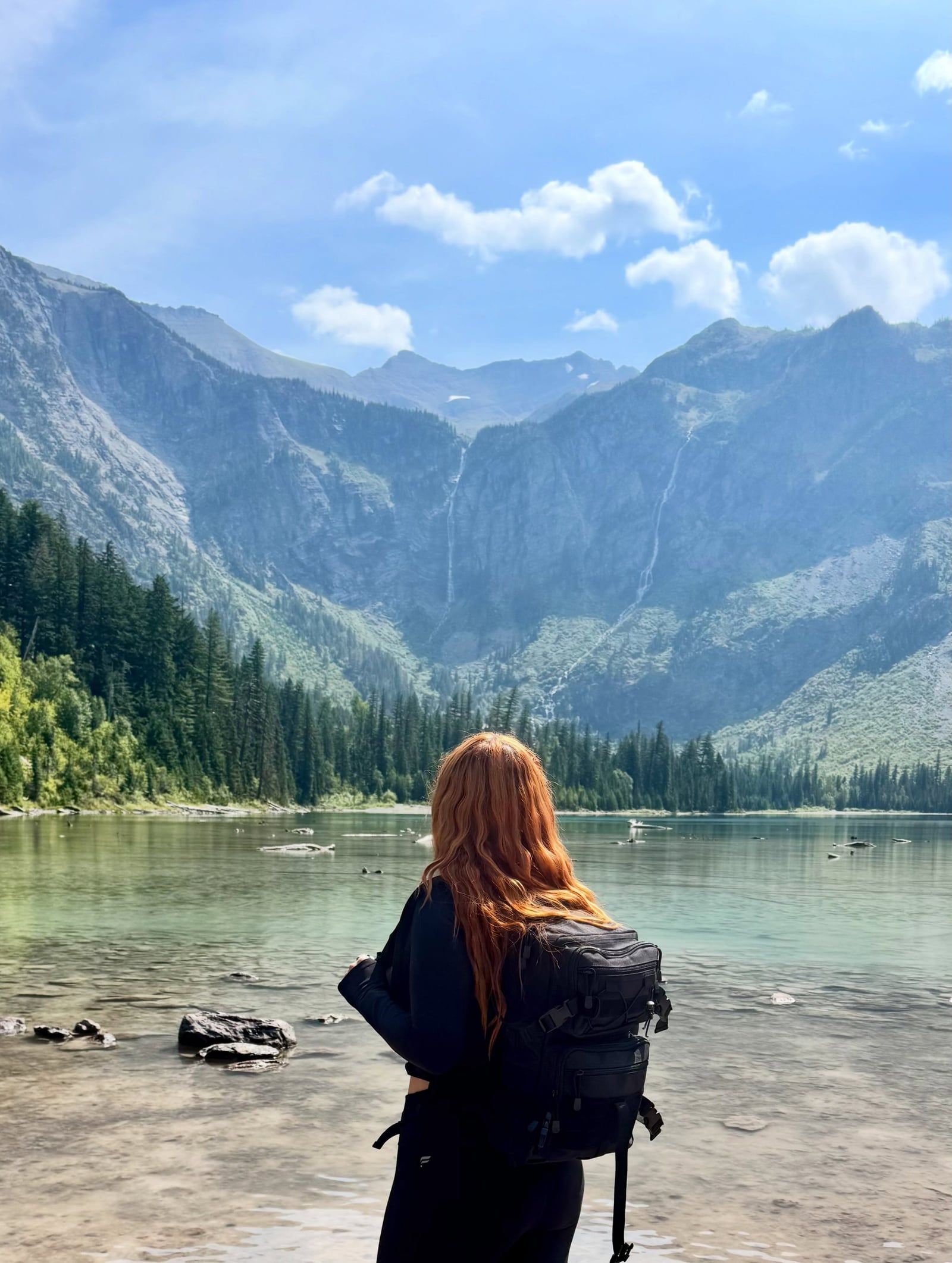
A 4.5-mile round-trip route follows Avalanche Creek through a cedar-hemlock forest gorge. The trail begins on the wheelchair-accessible Trail of the Cedars boardwalk and ends at a glacially-fed lake. Waterfalls cascade directly off the Continental Divide into the basin. Arrive before 8 a.m. to secure parking.
Choose English-language tours starting at $9.99, all with full refunds for cancellations made at least 24 hours before departure.
Swipe to see more
 Free Cancellation
  Free Cancellation
  Free Cancellation
  Free Cancellation
 July and August provide full access to the 50-mile Going-to-the-Sun Road and all visitor services, making them the most reliable months to visit. June and September offer quieter alternatives with flowing waterfalls or golden larch trees, though higher elevations like Logan Pass often remain closed by snow.
Most roads, lodges, and visitor services remain closed. May brings unpredictable weather, and higher-elevation trails and Logan Pass stay buried under snow, preventing vehicle access.
July and August guarantee all services operate and the full Going-to-the-Sun Road opens, drawing peak crowds. June features heavy waterfalls and green valleys, though high trails hold snow.
September delivers golden larch trees and smaller crowds before visitor centers close in early October. By November, winter conditions shut down alpine road sections and most facilities.
Travelers must be entirely self-sufficient as heavy snow closes the alpine sections of Going-to-the-Sun Road and all commercial services. Only the lowest road sections near West Glacier remain plowed.
Glacier National Park remains open 24 hours a day, 365 days a year, though access depends heavily on the season. The lower sections of Going-to-the-Sun Road near West Glacier stay plowed year-round. The full 50-mile route over Logan Pass typically opens between late June and early July, closing by the third Monday of October due to snowpack. Most visitor centers and in-park businesses operate exclusively from late May through September, shutting down in early October. The Apgar Visitor Center restrooms are an exception, staying open through the winter.
| Category | Price |
|---|---|
| Private vehicle (valid 7 days) | $35.00 summer / $25.00 winter (Nov 1–Apr 30) |
| Motorcycle | $30.00 summer / $20.00 winter |
| Per person (foot/bicycle, age 16+) | $20.00 summer / $15.00 winter |
| Children under 16 | Free |
| Non-US resident surcharge (age 16+) | $100.00 per person |
| Annual Glacier Park Pass | $70.00 |
| America the Beautiful Annual Pass | $80.00 |
| Senior Annual Pass (62+, US residents) | $20.00 |
| Senior Lifetime Pass | $80.00 |
| Access, Military, and 4th Grade Passes | Free |
| Commercial vehicles | $25.00 (sedan) to $200.00 (motor coach) |
The park operates a cashless fee system. Non-US residents entering without an Annual or America the Beautiful Pass must pay the $100 international surcharge. While vehicle reservations are not required for 2026, visitors can book tickets for the Logan Pass shuttle system through Recreation.gov for a $1 processing fee. Entrance fees are waived on specific holidays, including Presidents Day, Memorial Day, the National Park Service Birthday, and Veterans Day.
For complete schedules and ticket prices, visit our Hours & Fees page.
Most visitors fly into Kalispell or Great Falls and rent a car to reach the west or east entrances, respectively. Amtrak's Empire Builder train also drops passengers directly at the park boundary year-round.
Glacier Park International Airport sits 30 miles west of the West Entrance. Arriving passengers rent a car and drive east along Highway 2 to reach Park Headquarters, Lake McDonald, and the start of Going-to-the-Sun Road. Commercial flights arrive from several major U.S. cities. Drivers must fill up beforehand, as the park lacks fueling stations.
Great Falls International Airport positions visitors 130 to 165 miles from the eastern entrances. Renters drive north on US Highway 89 through the town of Browning to access St. Mary, Two Medicine, and Many Glacier. Visitors must secure a rental car and fill their gas tanks before entering the park.
The Empire Builder line travels the Chicago to Seattle route and stops directly at the park boundary. Year-round stations include West Glacier and the Izaak Walton Inn at Essex, with seasonal service at East Glacier Park. Glacier National Park Lodges operates a paid, reservation-only summer shuttle connecting the West Glacier depot to Apgar Village and Lake McDonald Lodge.
For detailed transport options and routes, visit our Directions page.
Parking lots at Logan Pass and Avalanche Lake routinely fill before 8 a.m. during July and August. Secure a spot early or use the park's free shuttle system along Going-to-the-Sun Road. The shuttle provides transportation without narration, so download the free NPS audio tour before losing cell service.
Glacier requires visitors to stay 100 yards away from grizzlies and wolves. Carry EPA-registered bear spray on all hikes and keep it accessible. You can rent or purchase canisters at outfitters in St. Mary and West Glacier. Park regulations mandate proper food storage to prevent encounters on the trails.
Glacier contains zero fueling stations within its 1,012,837-acre boundary. Fill your gas tank in gateway towns like West Glacier or St. Mary before entering. Cell service remains extremely limited across the rugged terrain. Download all trail maps and check road conditions prior to leaving town.
The park dropped general vehicle reservations for 2026. Accessing Logan Pass now involves a ticketed shuttle system or three-hour limited timed parking. Secure shuttle tickets through Recreation.gov for a $1 processing fee. If driving, note that vehicles longer than 21 feet cannot travel between Avalanche Creek and Rising Sun.
Temperatures at the 6,646-foot Logan Pass frequently drop 20 degrees lower than at Lake McDonald. Mountain weather shifts rapidly from clear skies to summer snow flurries. Bring rain gear, sun protection, and sturdy hiking boots. Turn back immediately if lightning threatens exposed ridgelines along the Continental Divide.
The Going-to-the-Sun Road corridor draws heavy crowds in peak summer. Head to the quieter Two Medicine valley on the southeast side for boat tours and access to the Dawson-Pitamakan Loop. Alternatively, visit the North Fork area to buy huckleberry bear claws at the historic Polebridge mercantile.
This Canadian park joins Glacier to form the Waterton-Glacier International Peace Park. Visitors cross the border to see the historic Prince of Wales Hotel and the sharp transition from mountains to prairies along Lakeview Ridge.
This mountain resort town provides restaurants, breweries, and boutique shopping outside the park boundaries. Visitors swim or paddle in Whitefish Lake and access the trails at Whitefish Mountain Resort.
One of the largest natural freshwater lakes in the western United States sits just south of the park. Lakeside towns like Bigfork and Polson offer boating access and shoreline cherry orchards.
Read what travelers share about their experience visiting Glacier National Park — from practical tips to personal highlights.
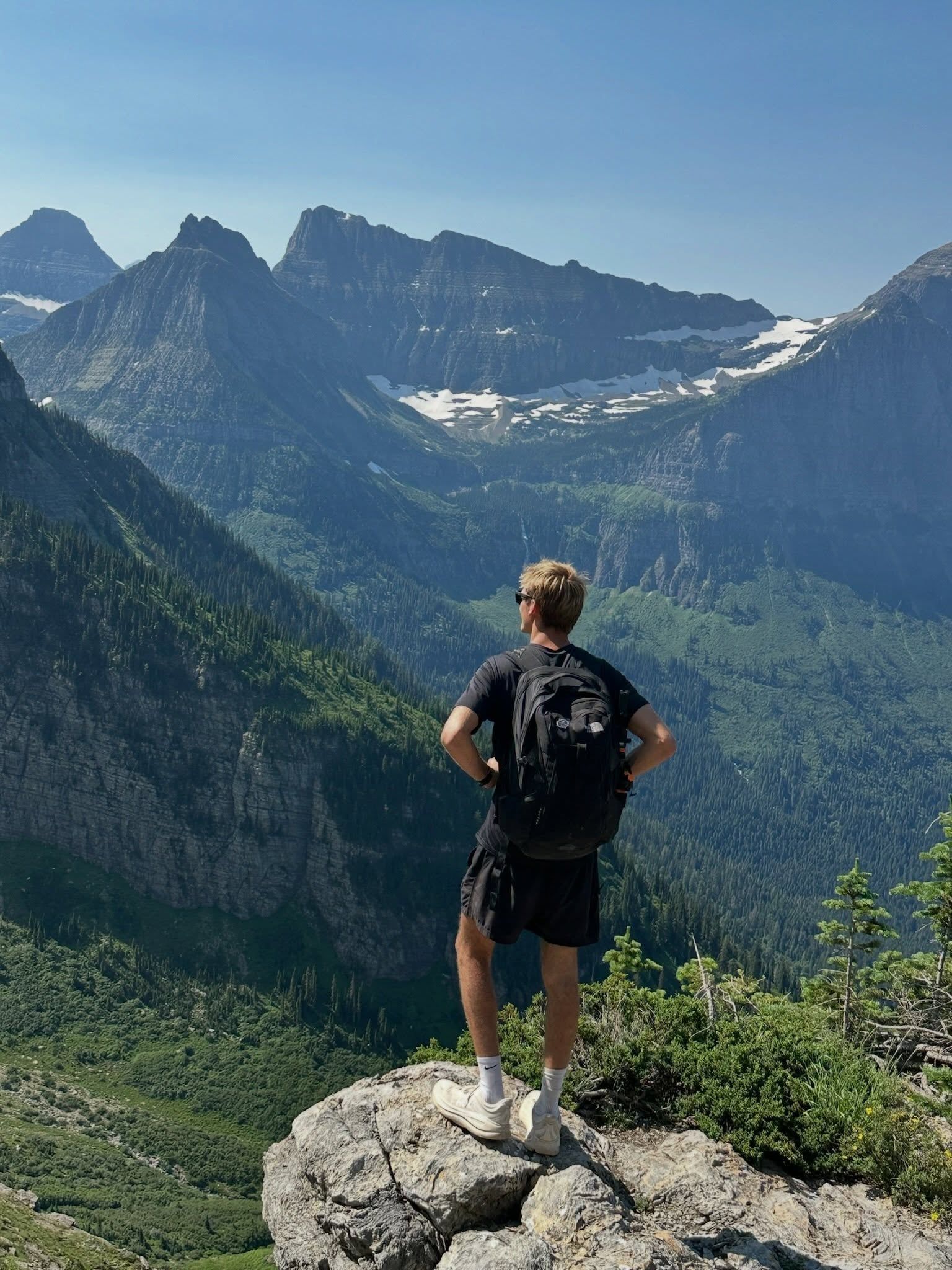
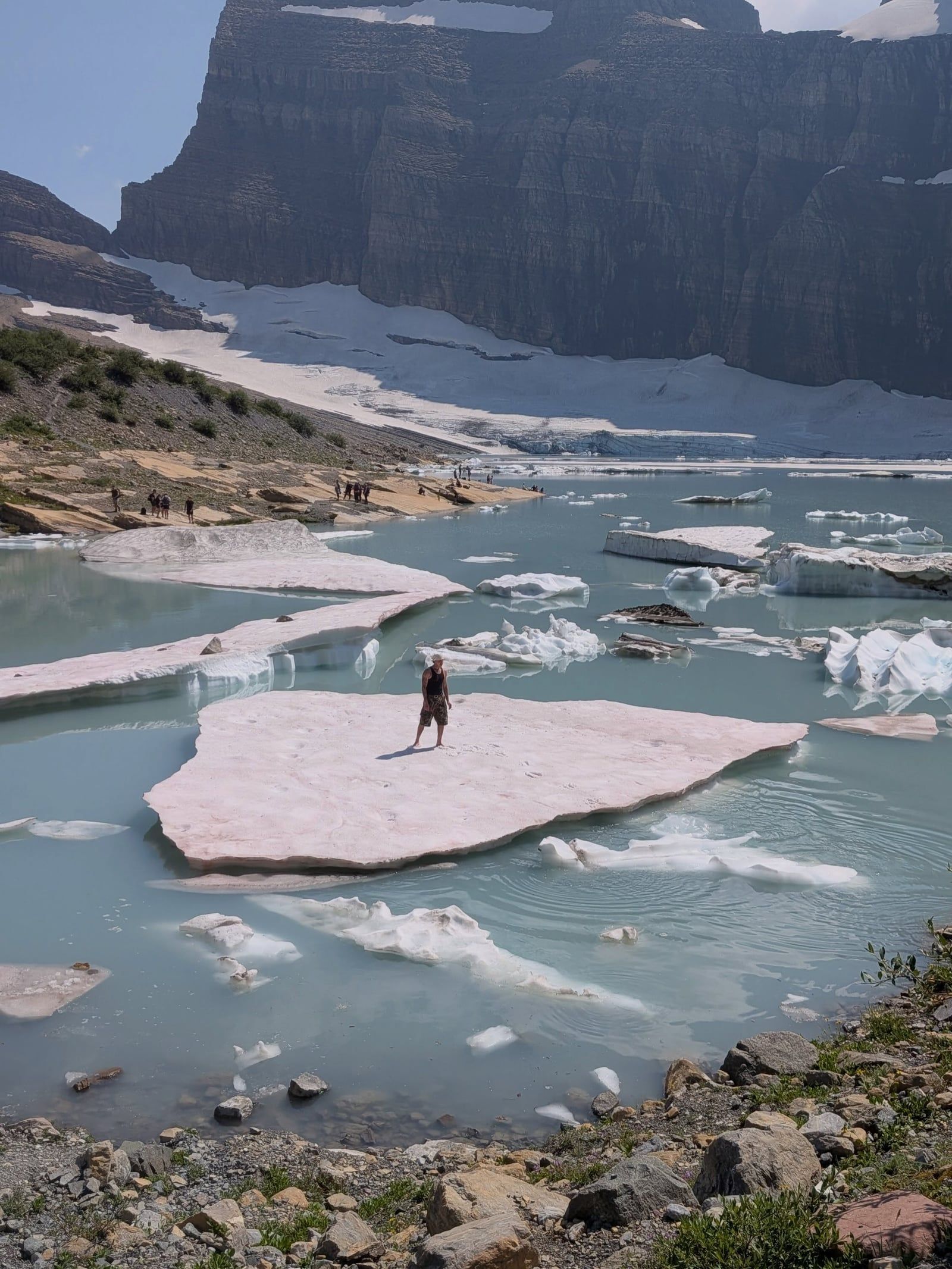
Planning advice, comparisons, and practical tips.
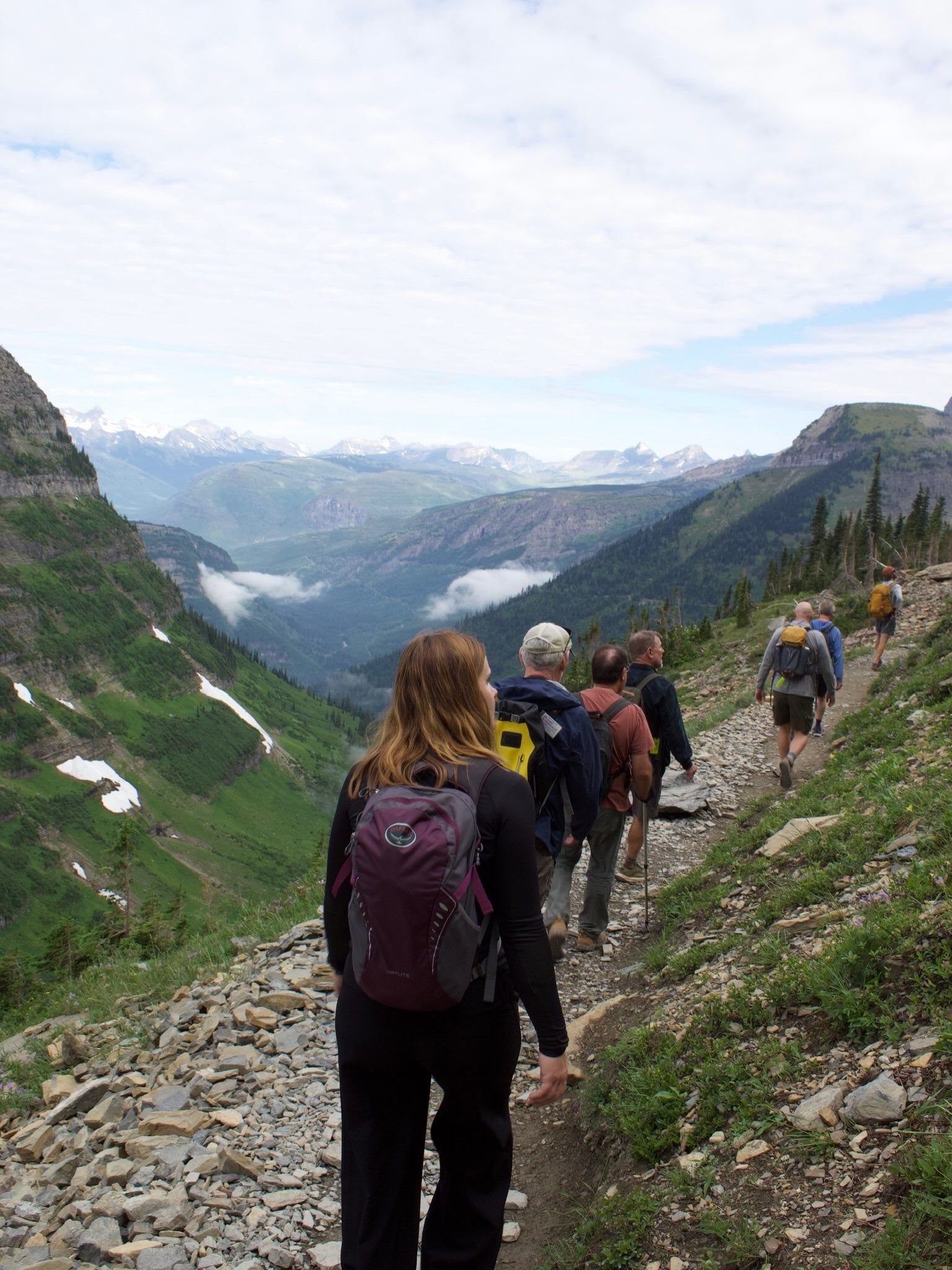
The Highline Trail cuts along a narrow shelf blasted into the Garden Wall, with Going-to-the-Sun Road disappearing hundreds of feet below and the…
Glacier National Park has more than 700 miles of maintained trail spread across a million acres of the Rocky Mountains, and no visitor sees more than…
Glacier National Park packs 1,012,837 acres of jagged peaks, 762 lakes, and 26 shrinking glaciers into Montana's northwest corner, and no single trip…
A private vehicle pass costs $35 in summer and $25 between November 1 and April 30, valid for seven days. The park is strictly cashless, requiring card payments at the gate. Non-US residents aged 16 and older pay an additional $100 per person fee.
The park does not require vehicle reservations for 2026. A ticketed shuttle system operates at Logan Pass with a three-hour parking limit. You must book these shuttle tickets through Recreation.gov for a $1 processing fee.
The full 50-mile route over 6,646-foot Logan Pass typically opens in late June or early July once crews clear the snowpack. It closes for the season around the third Monday of October. The lower sections near West Glacier remain plowed year-round.
Glacier Park International Airport in Kalispell sits 30 miles west of the West Entrance, requiring a 45-minute drive via Highway 2. Missoula International Airport and Great Falls International Airport offer alternatives, located 150 miles south and 130 to 165 miles east.
Amtrak’s Empire Builder stops at the park boundary in West Glacier and the Izaak Walton Inn at Essex year-round. During the summer, Glacier National Park Lodges operates a paid shuttle connecting the West Glacier depot to Apgar Village and Lake McDonald Lodge.
Hikers should carry EPA-approved bear spray on every trail and know how to deploy it. Park regulations require visitors to stay at least 100 yards from grizzly bears, black bears, and wolves. Outfitters near West Glacier and St. Mary rent and sell spray canisters.
The Trail of the Cedars and Running Eagle Falls paths feature paved or hard-packed surfaces designed for wheelchair access. The Trail of the Cedars covers 0.9 miles of mostly flat boardwalk through a cedar-hemlock forest. The park's shuttle system is also fully accessible.
Pets are prohibited on all trails, along lakeshores, and inside visitor centers and lodges. You can bring them to areas where cars are allowed, provided they remain on a leash and are never left unattended.
Browse verified tours with free cancellation and instant confirmation.
Find Tours