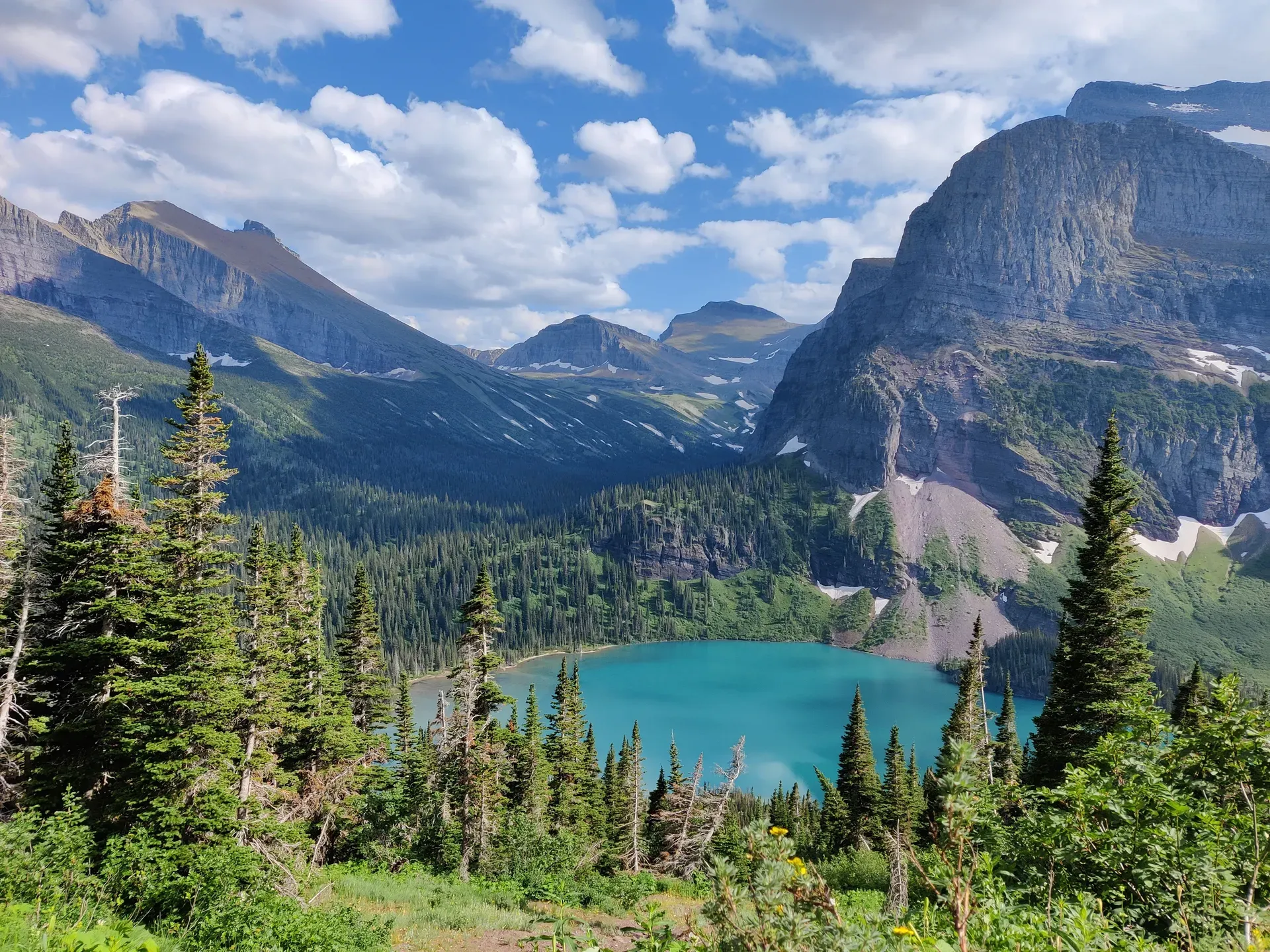
Experience the thrill of the Middle Fork Flathead River on a half-day or full-day whitewater adventure along the border of Glacier National Park. Choose a trip that fits your schedule, with options including safety gear, expert guides, and a riverside lunch.
 Free Cancellation
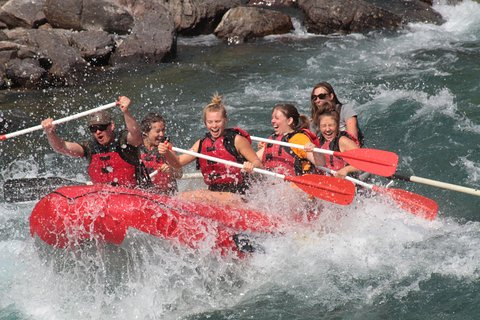
 Raft four miles of calm water followed by the whitewater of John Stevens Canyon.
 Free Cancellation
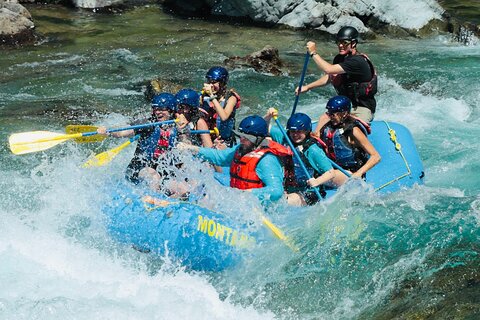
 Raft nine Class II-III rapids on the Middle Fork Flathead after a morning float and an organic buffet lunch.
Read what travelers share about their experience visiting Glacier National Park — from practical tips to personal highlights.
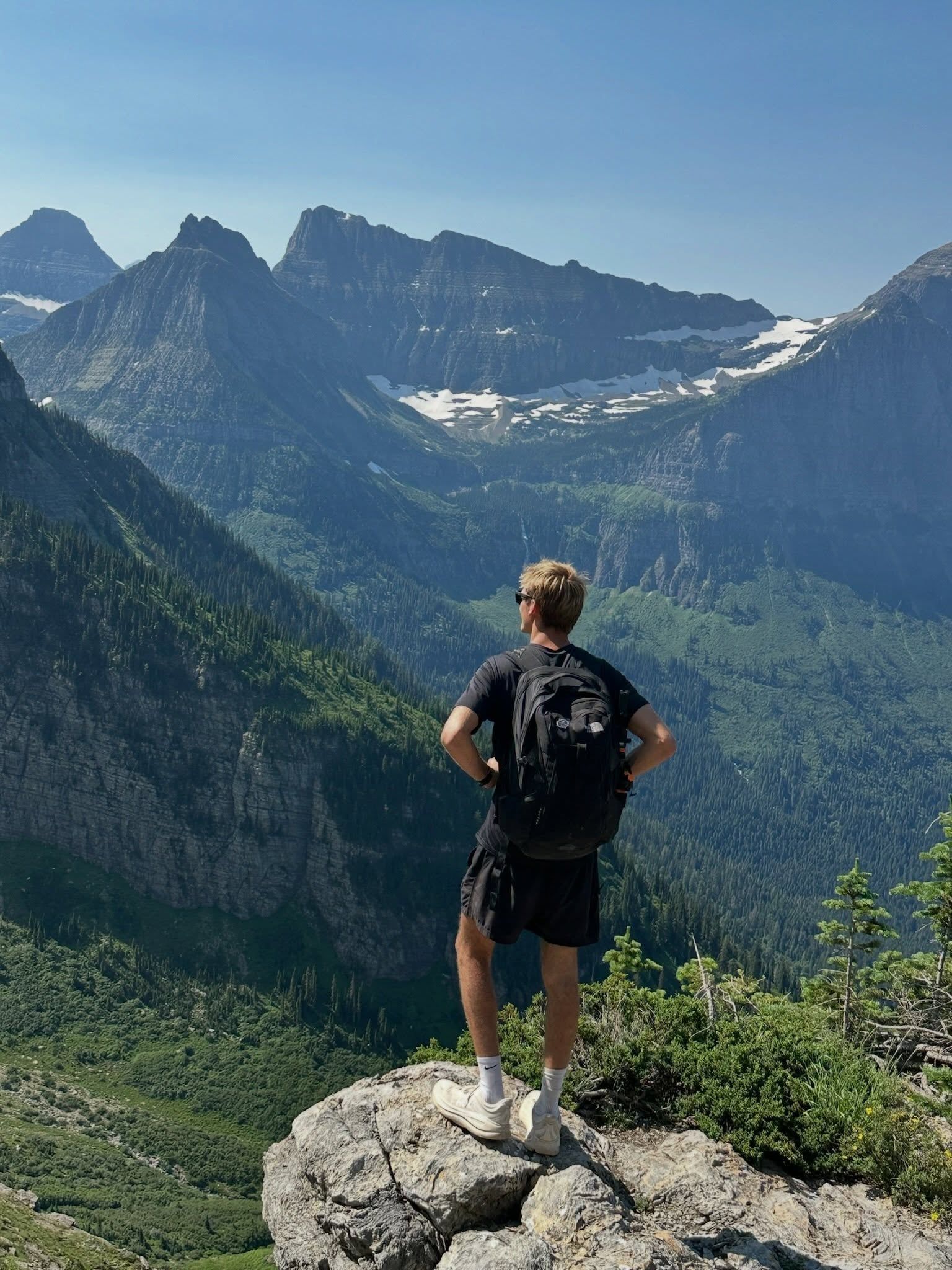
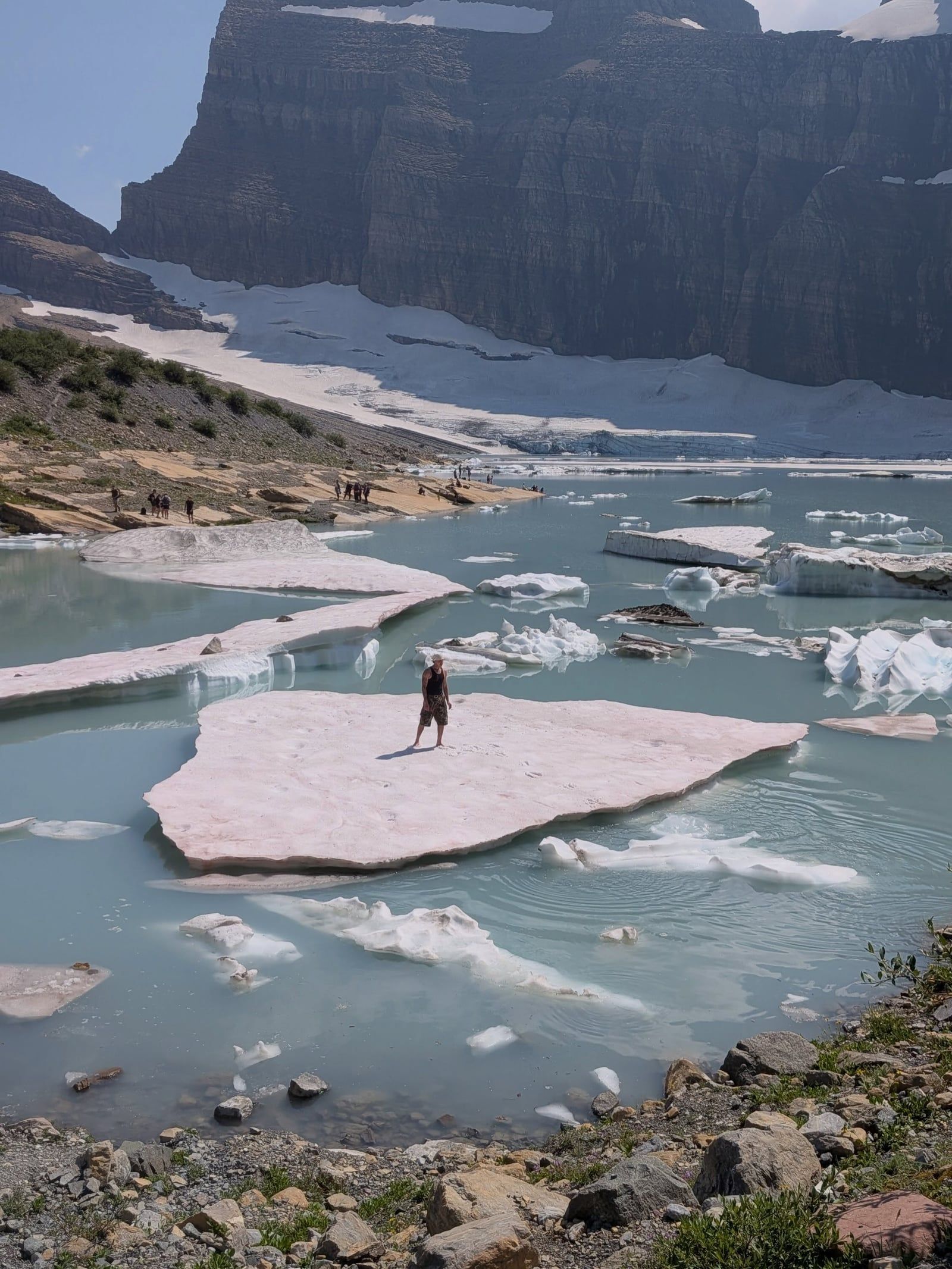
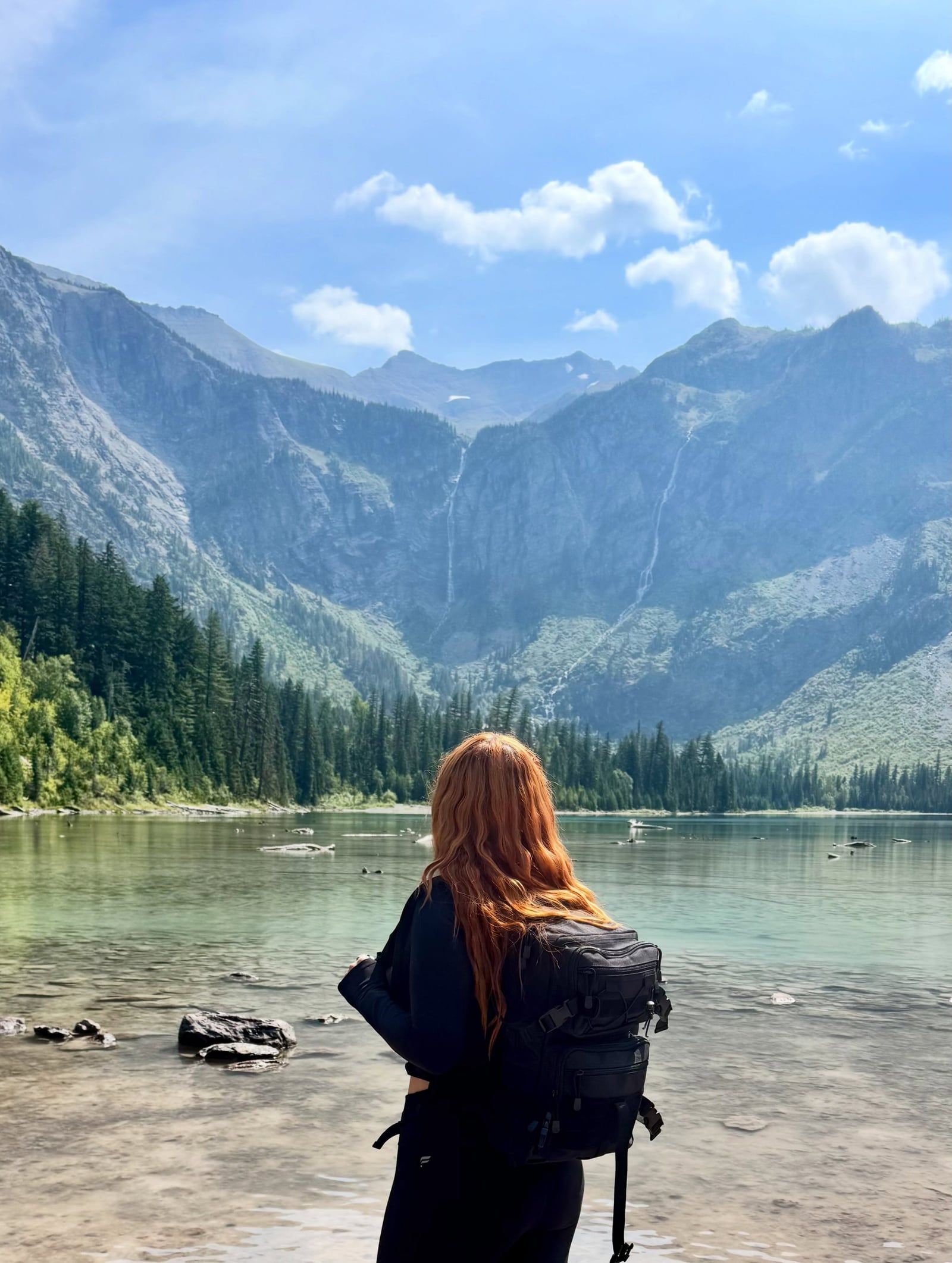
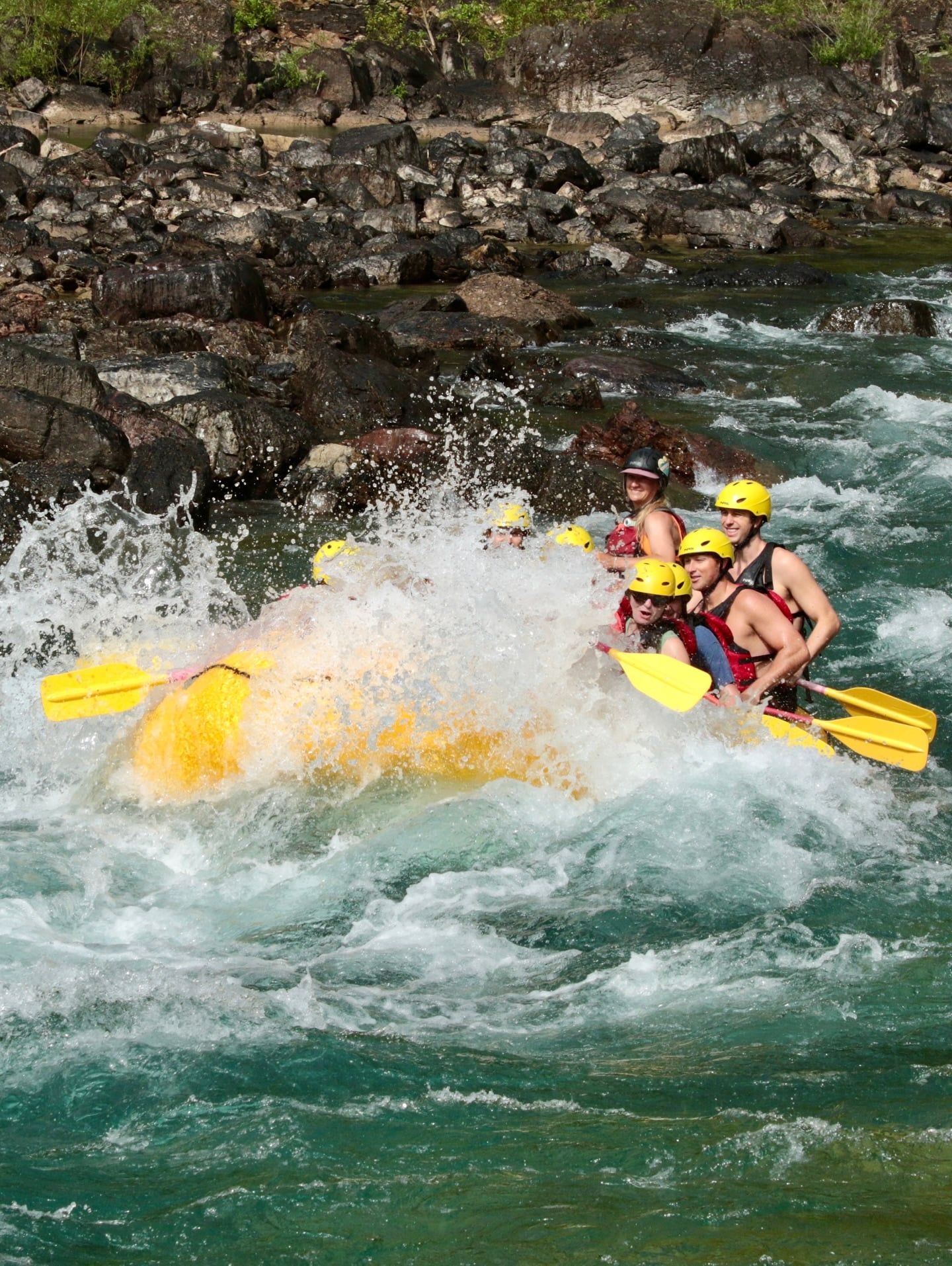
Glacier National Park rafting tours operate on the Middle Fork Flathead River, which forms the park's southern boundary. Guides use the initial four miles of flat water to teach paddle commands before the rafts enter the whitewater sections. The route provides direct views of the park's glacially carved mountain terrain from the water.
The first four miles of the route consist of calm water. Guides use this section to teach paddle commands and synchronize strokes before the river gradient drops.
The river narrows and speeds up after the flat section, creating rapids that require coordinated paddling. Guides steer the rafts through these sections using the commands practiced earlier.
The Middle Fork Flathead River acts as the southern border of Glacier National Park. Passengers see the park's forested slopes and mountain peaks directly from the raft.
Full-day trips stop at a clearing along the riverbank for a meal. The kitchen staff prepares a buffet lunch using organic ingredients while passengers rest.
Guides explain the local geology that formed the U-shaped valleys visible from the water. Rafters frequently spot bald eagles, osprey, and occasionally bears along the shoreline.
The river consists of runoff from the park's 26 shrinking glaciers and winter snowpack. The water remains extremely cold throughout the summer, requiring specialized gear in early season.
Rafting trips depart near West Glacier and run along the park's border rather than deep inside its boundaries. Summer slots fill quickly, requiring advance reservations.
Half-day rafting trips last approximately two and a half hours from start to finish. Full-day options keep you on the river through the afternoon and include a scheduled stop for a buffet lunch.
Rafting outfitters list these trips as suitable for all physical fitness levels. Travelers with spinal injuries, poor cardiovascular health, or who are pregnant are advised against participating.
Tours include the raft, a personal flotation device (PFD), and paddles. Wet suits, splash gear, and river shoes are provided free of charge when water temperatures are low.
The river forms the park boundary, so rafting does not strictly require a park pass. If you plan to drive into Glacier National Park before or after your tour, you must purchase a $35 private vehicle pass.
Operators require a 24-hour notice for cancellations. You receive a full refund if you cancel before this window closes.
Mountain weather shifts rapidly, and temperatures on the water are often cooler than in West Glacier. Trips run rain or shine, and operators close the river only during extreme high-water events.
July and August are the busiest months in the park, which saw nearly 3 million visitors in 2023. Book your rafting trip several months in advance to secure a spot during peak season.
Swipe to see more
| Half-Day Rafting | Full-Day Rafting | |
|---|---|---|
| Duration | 2h 30min | Full Day |
| Includes | Raft, PFD, Paddles | Lunch, Gear, All Fees |
| Physical Requirement | Not for spinal injuries or pregnant travelers | Not for spinal injuries |
| Price from | $90.64 | $164.00 |
Swipe to see more
Glacier National Park remains open 24/7 year-round, but access varies heavily by season. The lower portions of Going-to-the-Sun Road near West Glacier are plowed continuously and stay open through the winter.
The full 50-mile stretch of Going-to-the-Sun Road, including the 6,646-foot Logan Pass, typically opens between late June and early July. It closes for the winter around the third Monday of October, depending on snowpack.
Most visitor centers, lodges, and commercial services operate strictly from late May through September. Rafting tours run during this same summer window when the river is free of ice.
Glacier Park International Airport (FCA) sits 30 miles west of the West Entrance, requiring a 45-minute drive via Highway 2. Missoula International Airport is 150 miles south, offering a 2.5-hour scenic drive up Highway 93 and Highway 2.
Amtrak's Empire Builder train stops directly at West Glacier (Belton) year-round. During the summer, Glacier National Park Lodges operates a paid shuttle connecting the train depot to Apgar Village and Lake McDonald Lodge.
Drivers approaching from the east take Highway 89 north from Great Falls through Browning to reach the St. Mary, Two Medicine, and Many Glacier entrances.
July and August provide the most reliable access to the entire park and the warmest weather for rafting. All visitor services are open, and Going-to-the-Sun Road is fully accessible, though parking lots at popular trailheads fill by 8:00 a.m.
June offers high water levels on the Middle Fork Flathead River, creating larger rapids for rafting. High-elevation trails and Logan Pass often remain snow-covered and inaccessible by vehicle during this month.
September brings noticeably thinner crowds and fall colors, with larch trees turning golden by mid-October. Visitor services begin shutting down in late September, and travelers must be self-sufficient.
Rafting requires getting into and out of boats on uneven riverbanks, and outfitters do not recommend the trips for travelers with spinal injuries. Most visitors experience the park's interior by driving the 50-mile Going-to-the-Sun Road, which features multiple accessible pull-offs.
The Trail of the Cedars is a 0.9-mile paved and boardwalk trail suitable for wheelchairs. Running Eagle Falls also offers a hard-packed, accessible path. The park's shuttle system is fully wheelchair accessible.
More strenuous hikes involve significant elevation gain and altitude. Logan Pass sits at 6,646 feet, presenting challenges for those with cardiovascular concerns.
Rafting outfitters provide all necessary gear, including free wet suits, splash gear, and river shoes. Full-day tours include a buffet lunch prepared with organic ingredients, served at a riverside clearing.
Inside the park, there are no fueling stations. Visitors must buy gas in gateway towns like West Glacier or St. Mary before entering. Cell service is nonexistent in most areas of the park.
Restrooms at the Apgar Visitor Center remain open year-round. Summer visitors can use the park's ticketed shuttle system to navigate Going-to-the-Sun Road, which requires a $1 processing fee via Recreation.gov.
Park regulations mandate staying at least 100 yards (91 m) away from bears and wolves. Visitors must maintain a 25-yard (23 m) distance from all other wildlife, including mountain goats and bighorn sheep.
Launching, landing, or operating drones is strictly prohibited anywhere within Glacier National Park. Pets are banned on all trails, along lakeshores, and in visitor centers.
Vehicles longer than 21 feet or wider than 8 feet are prohibited on Going-to-the-Sun Road between Avalanche Creek and Rising Sun. Hikers are strongly advised to carry EPA-registered bear spray and know how to use it.
A half-day rafting tour costs approximately $91 per person. Full-day trips, which include an organic buffet lunch on the riverbank, cost $164.
Outfitters supply the raft, paddles, and a personal flotation device (PFD). If the water or weather is cold, they also provide wet suits, splash gear, and river shoes at no extra charge.
No prior experience is necessary. The first four miles of the route consist of flat water, allowing guides to teach paddle commands and synchronize strokes before reaching the rapids.
Tours operate on the Middle Fork Flathead River. This waterway forms the southern border of Glacier National Park, offering views of the mountain terrain from the raft.
Half-day tours do not include food. Full-day tours include a buffet lunch prepared with organic ingredients, served at a riverside clearing during a scheduled stop.
You do not need a park pass for the rafting trip itself, as the river runs along the boundary. If you drive into Glacier National Park afterward, you must purchase the standard $35 private vehicle pass.
Yes, the river is fed by winter snowpack and runoff from the park's 26 shrinking glaciers. The water remains cold year-round, which is why outfitters offer wet suits.
Outfitters explicitly state that the half-day whitewater rafting adventure is not recommended for pregnant travelers. The trips are also not recommended for individuals with spinal injuries.
You can receive a full refund if you cancel your booking at least 24 hours before the scheduled departure time. Cancellations made inside that window are not refunded.
June offers the highest water levels and largest rapids due to spring runoff. July and August provide warmer weather and calmer water, making it easier for families.
Browse verified tours with free cancellation and instant confirmation.
Find Tours


Four miles of flat water at the start of the route allow for practice of paddle commands and synchronized strokes. This section follows the border of Glacier National Park, where the water flows past the park's mountain terrain. Precise coordination in these opening miles is necessary for the whitewater sections downstream. John Stevens Canyon contains the trip's whitewater, specifically Bonecrusher, Jaws, and the Notch rapids. Navigating these sections requires immediate response to the guide's instructions to keep the boat on line. Glacier-fed water remains cold year-round; wear the provided wetsuits and booties even in July and August.
For a full refund, cancel at least 24 hours before the scheduled departure time.
English


The Middle Fork Flathead river is the southern border of Glacier National Park and the route for this full-day rafting trip. During the morning float, guides discuss local geology and wildlife before a stop at a riverside clearing for a buffet lunch. The kitchen prepares this meal with organic ingredients from local suppliers. For the 9:45 am departure, check-in is at 9:15 am at the West Glacier campus. Nine named rapids follow lunch; the Class III Bonecrusher section produces the heaviest splashes. Glacially fed water stays cold throughout the summer and typically enters the raft during these stretches. The route passes under the 1920s-era Old Belton Bridge before the trip ends in West Glacier. A 5-minute bus ride carries the group from the river back to the campus. Participants must be at least five years old and weigh 50 pounds or more. Chest sizes up to 58 inches fit the provided life jackets. High water levels during the spring runoff frequently increase these minimum age and weight requirements. Trips run in the rain, and wool or synthetic layers maintain body heat in wet conditions.
For a full refund, cancel at least 24 hours before the scheduled departure time.
English